If you are a frequent runner, how would you rate your overall feelings after your run? If you wouldn’t describe yourself as a frequent runner, would you change knowing that running has a positive affect on your health? Well, according to new research done by Nezlek et al (2018), there may be noteworthy correlations between exercise, running and your well-being. Exercise and specifically running is an efficient and effective way to improve your mental health and well-being.

Simply running is an efficient form of exercise
Many people have different ways in which they exercise whether it be through working out at a gym, joining an aerobics or yoga class or just simply running. Although people may not realize but, running is one of the easiest ways to get exercise. “Running has a low entry cost, people can run whenever and wherever they can walk, running does not require a team, individuals can run at their own pace for as long as they choose, and so forth” (Nezlek et al., 2018, p. 146). As well, running is a great way to check your progress towards a goal as you can keep track of how far, how long and how fast you ran.

Short distance vs. long distance running related to well-being
While running, people may feel more satisfied when they run further distances while others could have those same feelings on short distances. Research indicates “Well-being was higher during weeks when individuals ran more often and further than it was during weeks when they ran less often and less far” (Nezlek et al., 2018, p. 149). However, the same research also found that “relationships between well-being and running were weaker for people who ran more than they were for people who ran less” (Nezlek et al., 2018, p. 149). This allows us to understand that everyone has their own preferences on how far or long they need to run in order to feel satisfied. Overall, no matter how far people ran in this study, what triggered a positive effect on well-being was the progress made. In other words, “these results suggest that how much participants ran influenced how satisfied they were with their progress, which in turn influenced their well-being” (Nezlek et al., 2018, p. 151).
Mental health positively influenced by exercise
Research shows that “exercise is associated with improved psychological well-being, including increased positive affect, decreased depressive and anxiety symptoms, and improved quality of life” (Nezlek et al., 2018, p. 146). In other words, exercise is positively correlated with mental health. Moreover, “increases in exercise are associated with changes in people’s thoughts and feelings that lead to improvements in well-being” (Nezlek et al., 2018, p. 147).
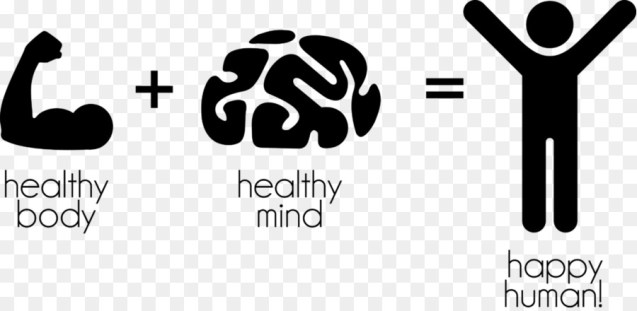
Overall, from the research of Nezlek et al (2018), evidence indicates that running and exercise has a positive influence on mental health and well-being. Nezlek et al (2018) concludes that “within-person relationships between running and well-being were positive. The more often and farther people ran during a week, the better they thought about themselves and their lives and the better they felt affectively” (p. 150). Now learning this new information, would you change your exercise routine to try to run more? Feel free to comment below!
References
Article:
Nezlek, Cypryańska, Cypryański, Chlebosz, Jenczylik, Sztachańska, & Zalewska. (2018). Within- Person Relationships Between Recreational Running and Psychological Well-Being. Journal of Sport & Exercise Psychology, 40(3), 146-152.
Photos:
Faherty, E. (2018). In 5 Expert Tips for Proper Running Form. Retrieved from https://dailyburn.com/life/fitness/tips-running-form/
(2017). In Mental health Physical fitness Well-being Exercise – health. Retrieved from https://www.kisspng.com/png-mental-health-physical-fitness-well-being-exercise-1914551/
(n.d.).In 6 tips for tracking your running progress. Retrieved from https://therunningbug.com/training/marathon-zone/spring-marathon-training-guide-6-tips-for-tracking-your-running-progress

 Running Related to your Health